About Us
Who Are We ?
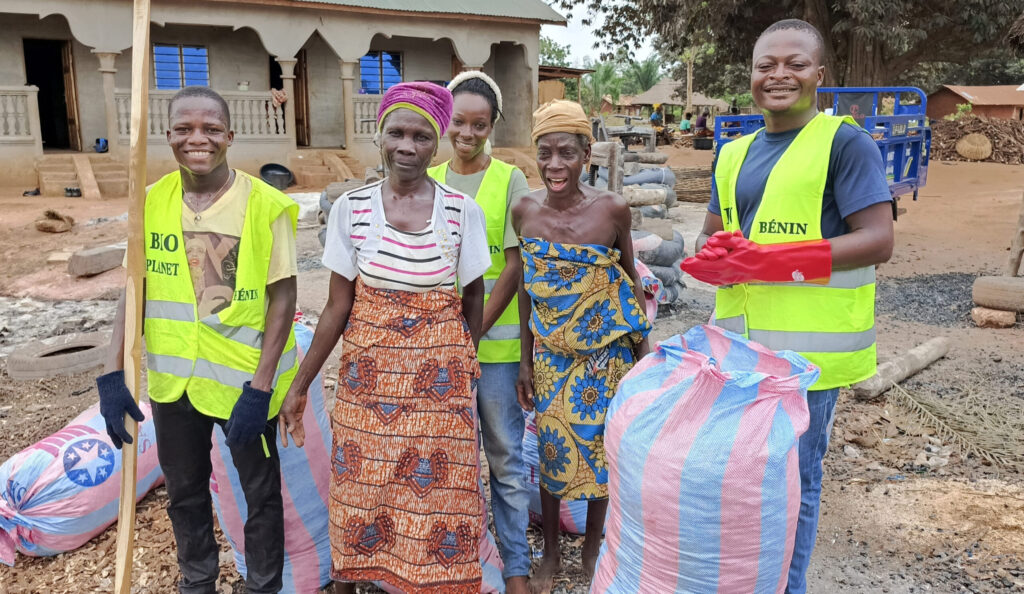
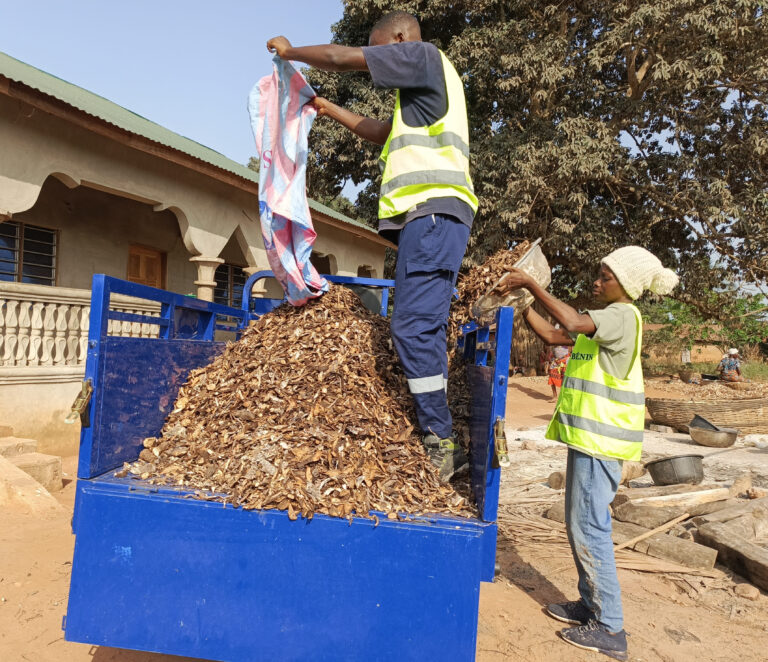
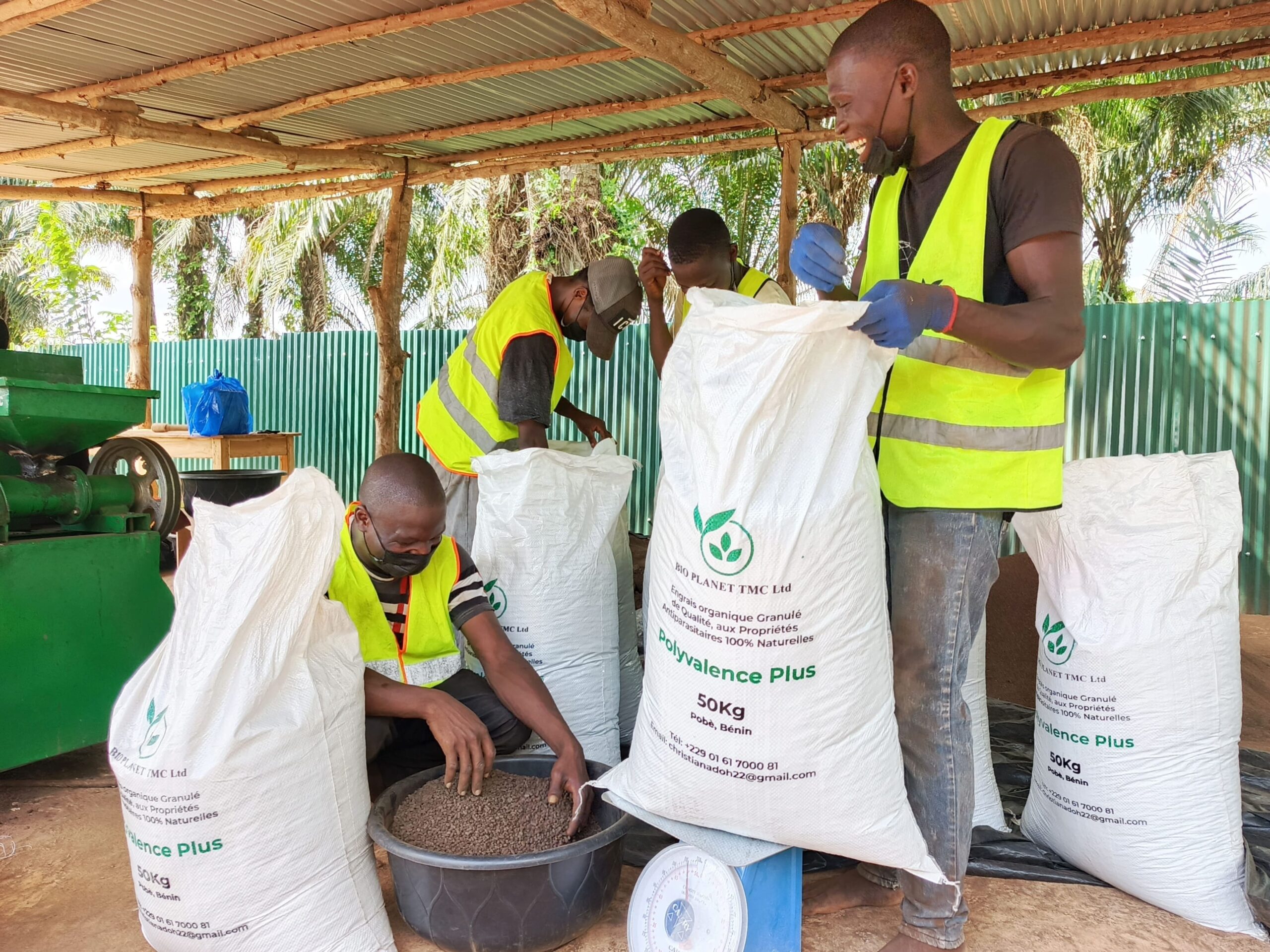
BIO PLANET TMC Ltd is a Benin-based climate-smart social enterprise advancing regenerative agriculture, circular economy solutions, and environmental restoration across West Africa. It addresses the root causes of rural poverty by tackling interconnected challenges including soil degradation, waste pollution, food insecurity, and climate vulnerability. By bridging traditional farming knowledge with modern agroecological science, BIO PLANET TMC converts biodegradable waste into affordable, regenerative organic fertilizers tailored to local soil conditions.
The enterprise complements its products with climate-smart agriculture training, soil health assessments, and technical assistance designed to support women, Indigenous communities, and underserved farmers. Through innovation, education, and community-driven solutions, BIO PLANET TMC helps farming communities restore soil health, improve productivity, strengthen resilience, and create sustainable economic opportunities while promoting environmental stewardship and long-term agricultural sustainability.
Our Goal
Introduce and sustain organic farming practices in Benin and Africa, and contribute to social justice.
Our Mission
To develop regenerative agronomic solutions tailored to farmers' realities, restoring soil fertility, sustainably improving agricultural productivity, and strengthening the prosperity of rural communities.
Our Vision
An Africa where rural communities and nature thrive together sustainably.
Our Core Values
Sustainability
We are committed to regenerating ecosystems and restoring degraded farmlands through organic innovation. By producing high-quality organic fertilizers and promoting eco-friendly farming practices, we help farmers build resilience while protecting the planet for future generations.
Innovation
We continuously pioneer smarter, science-driven solutions to agricultural challenges. From circular waste management to advanced eco-friendly fertilization, our approach transforms environmental problems into opportunities for sustainable growth.
Empowerment
We invest in people as much as in the planet. By equipping rural and indigenous communities, especially women and youth with skills, resources, and market access, we enable them to achieve economic independence and long-term prosperity.
Equity
We champion fairness and inclusion across all aspects of our work. Our programs promote equal opportunities and gender balance, ensuring that the benefits of sustainable agriculture reach every farmer, regardless of background.
Collaboration
We believe meaningful impact is built together. Through strategic partnerships with farmers, researchers, investors, and institutions, we co-create value that drives food security, environmental regeneration, and shared prosperity.
Integrity
We build lasting relationships founded on trust, ethical conduct, and responsible stewardship, honoring our commitments to farmers, partners, and the communities we serve.
Market opportunity
Africa’s fertilizer market is undergoing a major expansion, valued at 54.77 billion USD in 2025 and projected to reach 77.84 billion USD by 2030 (Market Data Forecast). In volume terms, the continent’s consumption is expected to approach 48 million tons by 2035 (IndexBox). Yet West Africa still imports more than 85 % of its fertilizers, exposing farmers to chronic shortages, volatile prices, and disruptions that directly affect food security. This dependency strengthens the need for reliable, locally produced fertilizers adapted to regional soils and climate realities.
Within this broader landscape, organic fertilizers are emerging as the fastest-growing segment. The African organic fertilizer market is valued at around 560 million USD in 2025 and is projected to reach nearly 1 billion USD by 2030, growing at more than 12 % annually (Mordor Intelligence). Despite this growth, organic agriculture still represents less than 0.2 % of Africa’s cultivated land (GlobeNewswire), indicating how early the transition is and how large the untapped opportunity remains. This signals a high-growth, underpenetrated market where early entrants can capture significant market share as adoption accelerates. In West Africa, the shift toward sustainable inputs is reinforced by strong fertilizer import dependency and growing demand for soil-restoration solutions among the region’s 120 million farmers (ECOWAS Fertilizer Business Guide). In Benin, overall fertilizer imports reached more than 330,000 tons in 2023, while organic fertilizer production grew by 12 % between 2019 and 2023, confirming a measurable rise in sustainable farming practices (IFDC Benin Fertilizer Statistics).
This shift is creating a rapidly widening supply gap in the organic segment. In the first half of 2025, BIO PLANET TMC Ltd received 1,230 tons of formal requests in Benin alone, and based on current adoption trends, our internal projections indicate that demand for our regenerative organic fertilizers could exceed 5,000 tons in 2026. Meanwhile, current annual production capacity is limited to 200 tons. To address this unmet demand, our scale-up plan targets increasing capacity to 2,000–3,000 tons annually within the next 24–30 months, and reaching over 10,000 tons annually starting from 2028. Our registration on the United Nations Global Marketplace further strengthens this trajectory by enhancing international credibility and visibility, which can accelerate regional adoption and unlock new procurement channels across West Africa. This will position BIO PLANET TMC to meet urgent local demand and expand into high-potential West African markets that currently lack stable access to quality regenerative organic fertilizers. The opportunity is clear: scalable, locally produced produced organic fertilizers are becoming critical inputs for food security, climate resilience, and the future of sustainable agriculture in West Africa.
Our Partners